
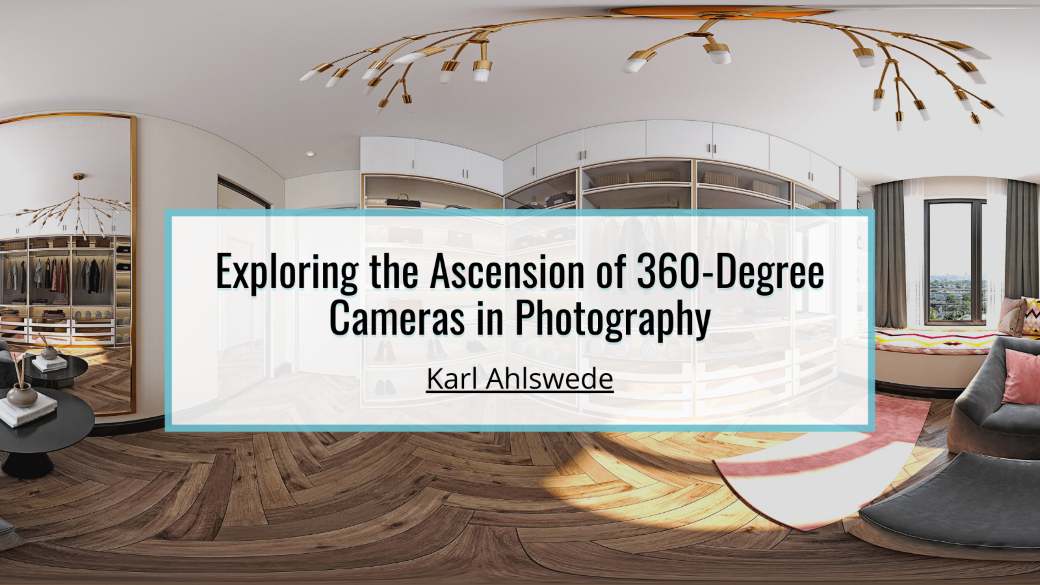
The evolution of photography has taken a transformative turn with the emergence and growing popularity of 360-degree cameras, offering an immersive and captivating way to capture and experience images. These innovative devices have redefined the traditional boundaries of photography, allowing users to capture scenes in their entirety and provide viewers with an immersive, panoramic perspective.
360-degree cameras, equipped with multiple lenses or a single wide-angle lens and specialized stitching software, enable photographers to capture a complete spherical view of their surroundings. These cameras simultaneously capture images in all directions, allowing viewers to interact with the scene by panning, tilting, and zooming within the immersive 360-degree sphere.
One of the most compelling aspects of 360-degree photography is its ability to transport viewers into the heart of the captured environment. Whether it’s stunning landscapes, bustling cityscapes, or immersive storytelling, 360-degree imagery offers an unparalleled sense of presence and engagement, inviting viewers to explore and interact with the scene as if they were physically present.
Moreover, the applications of 360-degree photography extend beyond traditional still imagery. These cameras are utilized for immersive video content, virtual tours, real estate showcases, and interactive storytelling experiences. The versatility of 360-degree technology allows content creators to engage audiences in new and innovative ways, providing a more immersive and captivating viewing experience.
Furthermore, the rise of social media platforms and VR technology has contributed to the increasing popularity of 360-degree content. Platforms like Facebook and YouTube support the sharing and viewing of 360-degree photos and videos, allowing users to experience immersive content directly on their devices or through VR headsets, further enhancing the sense of immersion and interactivity.
360-degree cameras also have applications in the travel, hospitality, education, and marketing industries. They enable businesses to showcase their environments, products, or services engagingly and interactively, offering potential customers a more comprehensive and immersive experience.
As technology advances, the accessibility and capabilities of 360-degree cameras are continuously improving. Smaller, more portable models, enhanced image quality, and improved stitching algorithms make 360-degree photography more accessible to a broader audience, fostering creativity and innovation in content creation.
In conclusion, the rise of 360-degree cameras represents a paradigm shift in photography, offering an immersive and interactive way to capture and experience visual content. As these innovative devices continue to evolve and become more accessible, they hold the potential to transform how we perceive and engage with visual storytelling, ushering in a new era of immersive and experiential photography.