
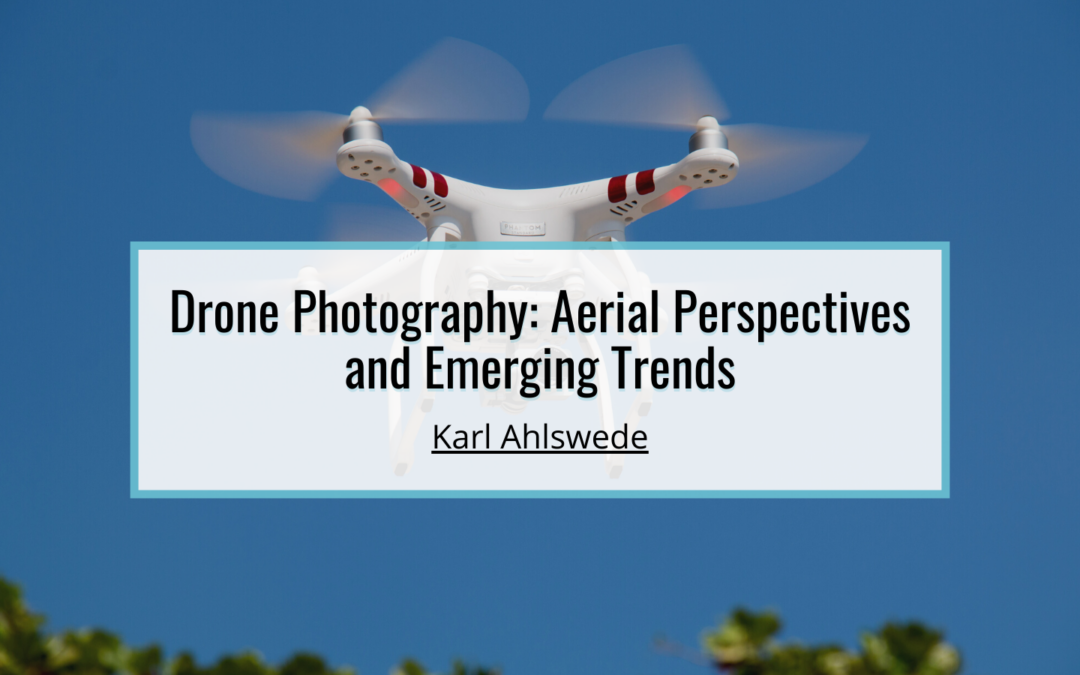
In recent years, drone photography has revolutionized the way photographers capture the world, providing breathtaking aerial perspectives that were once unimaginable. These crewless aerial vehicles (UAVs) equipped with high-resolution cameras have opened up a new dimension in photography, allowing enthusiasts and professionals to explore and create captivating imagery from elevated viewpoints.
Aerial photography, once confined to helicopters or planes, has become accessible to a broader audience with the advent of drones. These compact and agile flying machines equipped with advanced imaging technology have democratized aerial photography, enabling photographers to capture stunning landscapes, cityscapes, and perspectives that were previously out of reach.
One of the most significant advantages of drone photography is the ability to capture unique viewpoints and expansive landscapes. The bird’s-eye view provided by drones offers a fresh and captivating visual narrative, showcasing locations in ways that ground-based photography cannot achieve. Whether it’s majestic mountain ranges, coastlines, urban skylines, or natural wonders, drones unlock a new realm of possibilities for photographers to explore and document.
Moreover, advancements in drone technology continue to drive emerging trends in aerial photography. Higher resolution sensors, improved stability, and enhanced maneuverability are just some of the developments contributing to the evolution of drone imagery. Additionally, features like obstacle avoidance systems, intelligent flight modes, and increased battery life have made drones more user-friendly and capable of capturing intricate and dynamic shots.
Another burgeoning trend in drone photography is the fusion of aerial imagery with other creative disciplines. Photographers combine drone footage with traditional photography, videography, and even storytelling elements to craft compelling visual narratives. This convergence allows for creating immersive and engaging content that resonates with audiences across various platforms.
Furthermore, the commercial applications of drone photography are vast and diverse. Industries such as real estate, tourism, agriculture, filmmaking, and environmental monitoring increasingly utilize drone technology to capture aerial data, conduct inspections, and showcase properties or landscapes from unique aerial perspectives.
However, as drone technology continues to evolve and its popularity grows, photographers must operate drones responsibly and ethically. Adhering to aviation regulations, respecting privacy, and ensuring safety measures are paramount to maintaining the positive trajectory of drone photography.
In conclusion, drone photography has transcended the boundaries of conventional photography, offering unparalleled perspectives and driving emerging trends in the visual arts. As technology advances and creativity soars, the future of aerial imagery holds endless possibilities, promising to redefine how we see and experience the world from above.